

SAP for Manufacturing
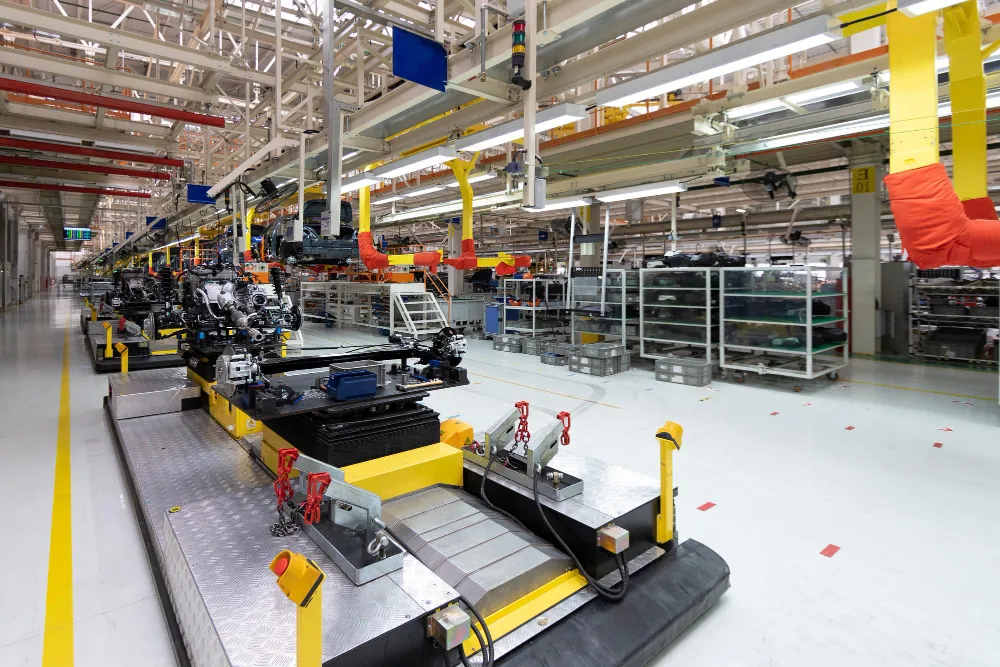
ERP Solutions Powering Intelligent Manufacturing Operations
The manufacturing industry operates in a highly competitive, process-driven environment where production efficiency, quality consistency, cost control, and supply chain coordination are critical to success. From raw material procurement and production planning to inventory, dispatch, and financial control, Synobiz ERP solutions help manufacturers streamline operations and gain complete visibility across the shop floor and enterprise.
By integrating production, inventory, quality management, procurement, sales, and finance into a unified ERP platform, we enable manufacturing organizations to reduce inefficiencies, improve throughput, control costs, ensure compliance, and scale operations with confidence in dynamic market conditions.
- End-to-End Manufacturing Process Visibility
- Production Planning, Scheduling & Shop-Floor Control
- Inventory, BOM & Material Requirement Planning (MRP)
- Quality Management & Traceability
- Costing, Margin & Financial Control
- Compliance, Reporting & Performance Analytics
Why Manufacturing Industry Needs ERP
Manufacturing operations involve complex production processes, multi-level bills of materials, supplier dependencies, quality controls, and tight delivery commitments. Without ERP, manufacturers often face disconnected systems, limited shop-floor visibility, manual coordination, and rising operational costs. ERP enables manufacturing organizations to unify operations, automate workflows, and gain real-time control across the entire production and supply chain ecosystem.
Production Visibility
& Shop-Floor Control
ERP provides real-time visibility into production schedules, work orders, machine utilization, and material consumption, enabling better coordination and controlled manufacturing execution.
Cost Optimization
& Margin Control
By tracking material costs, labor, overheads, scrap, and production variances in real time, ERP helps manufacturers control costs, improve pricing accuracy, and protect margins.
Efficient Planning
& On-Time Delivery
ERP-driven production planning, MRP, and demand alignment ensure optimized material availability, reduced delays, and reliable on-time delivery to customers.
Key Functions Managed by ERP
ERP acts as the digital backbone of manufacturing operations by integrating planning, production, inventory, quality, and financial control into a single, unified system. It ensures seamless coordination across the shop floor, supply chain, and management with real-time visibility and control.
- Production Planning & Scheduling
- Bill of Materials (BOM) & Routing Management
- Inventory, WIP & Warehouse Management
- Material Requirement Planning (MRP)
- Procurement & Supplier Management
- Quality Control & Traceability
- Shop-Floor Execution & Machine Utilization
- Costing, Budgeting & Margin Analysis
- Sales Order, Dispatch & Distribution
- Analytics, Dashboards & KPI Monitoring
How ERP Transforms Your Manufacturing Business
ERP transforms manufacturing operations by connecting production, inventory, procurement, quality, and finance into a single intelligent platform. It enables manufacturers to improve operational efficiency, control costs, ensure consistent quality, and respond faster to market demand.
Real-Time Manufacturing Intelligence
Access live data on production status, machine utilization, inventory levels, and costs to support faster, data-driven decisions.
End-to-End Production Visibility
Gain complete visibility across shop-floor operations, material movement, work-in-progress, and finished goods through centralized ERP control.
Integrated Cost & Financial Control
Track material costs, labor, overheads, scrap, and variances in real time to ensure accurate costing, pricing, and margin protection.
Demand-Driven Planning & Execution
Align production schedules, procurement, and capacity planning with demand forecasts and sales orders to ensure on-time delivery.
Quality, Compliance & Traceability
Maintain batch and serial-level traceability, quality inspections, and audit-ready records to meet regulatory and customer requirements.
Business Benefits & ROI Impact
ERP delivers measurable and sustainable business impact for manufacturing organizations by improving production efficiency, reducing operational costs, enhancing quality control, and enabling real-time visibility across shop-floor, supply chain, and financial operations.
Production Efficiency Improvement
20–30%
Optimized production planning, reduced downtime, and streamlined shop-floor execution improve throughput and overall manufacturing efficiency.
Cost Reduction & Margin Protection
10–25%
Accurate tracking of material costs, labor, overheads, scrap, and rework helps control costs and protect profit margins.
Inventory & Working Capital Optimization
15–30%
Improved demand planning, MRP-driven procurement, and WIP visibility reduce excess inventory and working capital lock-in.
Financial Accuracy & Real-Time Visibility
Real-Time
Live insight into production costs, revenues, cash flow, and profitability enables better pricing, forecasting, and financial control.
Quality, Compliance & Traceability
100% Traceability
Batch and serial-level traceability, quality inspections, and audit-ready documentation ensure compliance and reduce operational risk.
Industry Challenges We Solve
Manufacturing organizations operate in a highly complex environment involving shop-floor execution, multi-level BOMs, supplier dependencies, quality compliance, and cost pressures. Disconnected systems, manual processes, and limited real-time visibility often lead to production delays, inventory imbalances, quality issues, and margin erosion. ERP addresses these challenges by integrating production, inventory, procurement, quality, and finance into a single, real-time system of control.
Disconnected Manufacturing Systems
Production planning, inventory, procurement, quality, and finance often operate on separate systems, creating data silos and inconsistent operational insights.
ERP unifies manufacturing, supply chain, quality, and finance into a single platform with centralized, real-time data across the enterprise.
Manual & Error-Prone Shop-Floor Processes
Manual production reporting, paperwork, and disconnected approvals increase errors, rework, downtime, and execution delays.
ERP automates work orders, production reporting, approvals, and material movements to improve accuracy, speed, and execution discipline.
Multi-Plant & Warehouse Complexity
Managing multiple plants, warehouses, and subcontractors without centralized control leads to inefficiencies and misaligned production plans.
ERP provides centralized visibility across all plants and warehouses while maintaining site-wise production, inventory, and cost controls.
Lack of Real-Time Production & Inventory Visibility
Delayed insight into WIP, finished goods, machine utilization, and stock levels limits proactive decision-making and issue resolution.
ERP delivers real-time dashboards, alerts, and reports for production status, inventory levels, and shop-floor performance.
Poor Demand Forecasting & Material Planning
Inaccurate demand forecasting and weak MRP result in excess inventory, material shortages, production delays, and higher costs.
ERP enables demand-driven forecasting, MRP-based planning, and optimized material availability aligned with production schedules.
Quality, Compliance & Traceability Gaps
Maintaining consistent quality standards and batch or serial traceability is difficult when inspections and records are managed manually.
ERP enforces standardized quality checks, audit trails, and batch or serial-level traceability to ensure compliance and reduce operational risk.
Frequently Asked Questions
ERP for manufacturing is an integrated business management system that connects production planning, shop-floor execution, inventory, procurement, quality, sales, and finance into a single platform. It enables manufacturers to manage operations with real-time visibility, cost control, and consistent execution across plants.
ERP improves manufacturing efficiency by automating production planning, work orders, material movements, and shop-floor reporting. It reduces manual errors, minimizes downtime, improves throughput, and enables data-driven decisions to optimize production performance.
Yes. ERP provides centralized control and real-time visibility across multiple manufacturing plants, warehouses, and subcontractors while maintaining plant-wise production tracking, inventory control, and financial reporting.
ERP supports demand forecasting, MRP-based material planning, and inventory optimization by aligning production schedules with sales demand and supplier lead times. This helps reduce stock shortages, excess inventory, and working capital lock-in.
ERP enables batch-level or serial-level traceability across raw materials, work-in-progress, and finished goods. Quality inspections, rejections, approvals, and audit trails are captured digitally to ensure compliance, reduce defects, and improve product quality.
Synobiz implements manufacturing-ready ERP platforms such as SAP Business One, Microsoft Dynamics 365, Odoo, and ERPNext. Each solution is tailored based on manufacturing complexity, production type, compliance requirements, plant scale, and long-term growth objectives.
Talk to an Industry Expert
Looking to streamline manufacturing operations, improve production visibility, or optimize inventory and cost control with ERP? Connect with our manufacturing industry specialists to define the right ERP strategy, implementation roadmap, and measurable business outcomes tailored to your plant operations and growth goals.